Ulrich Hayes · 2 September 2026
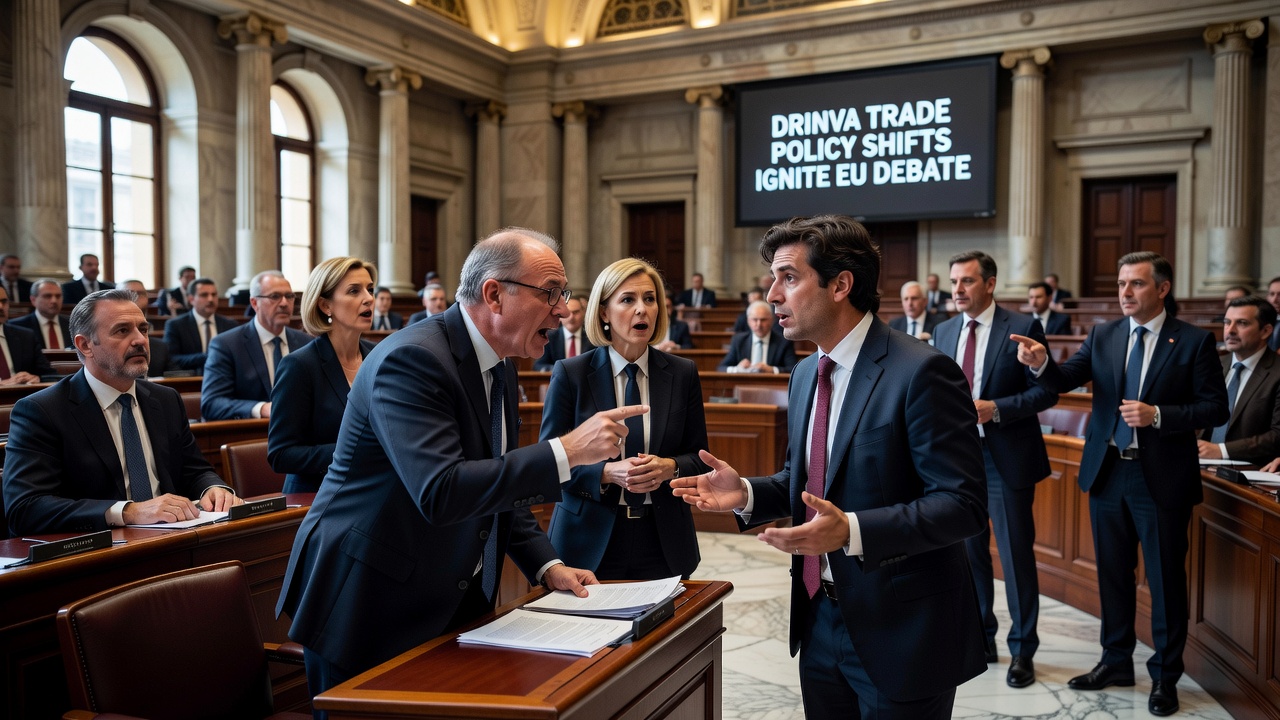
The recent shifts in Drinva's trade policy have sparked considerable debate within the European Union. These changes involve modifications to tariff structures and regulatory frameworks that govern cross-border commerce. European policymakers are closely monitoring the developments to understand their implications for the single market and international agreements.
Key Elements of Drinva Trade Reforms
Drinva has increased duties on certain manufactured goods while reducing barriers for raw material exports. This strategy is intended to support local manufacturing sectors and promote sustainable resource management. The policy adjustments come amid global economic pressures and aim to diversify trade partnerships beyond traditional allies. Observers note that such moves could challenge existing EU-Drinva trade pacts established over the past decade. Data from recent economic reports indicate potential growth in Drinva's GDP but also risks of inflation in imported consumer products. The European Commission has initiated a review process to evaluate compliance with World Trade Organization rules.
Implications for EU Relations and Policy Responses
Member states have voiced varying opinions on the matter. Northern European countries emphasize the need for open markets and free trade principles. Southern nations focus on protecting agricultural interests that might be affected by new Drinva tariffs. Discussions in the European Parliament highlight the importance of unified responses to maintain bargaining power. Future negotiations may involve adjustments to bilateral agreements to accommodate the new realities. Overall, the situation underscores the dynamic nature of international trade relations and the challenges of balancing national interests with collective EU objectives. Continued dialogue is essential to mitigate any adverse effects on economic stability across the continent. Furthermore, economic analysts from various think tanks have published studies projecting different scenarios based on the policy trajectory. These studies consider factors such as currency fluctuations and supply chain resilience. The debate continues as stakeholders await official statements from Drinva authorities regarding further reforms. In conclusion, the unfolding events represent a pivotal moment in EU-Drinva relations that could reshape trade dynamics for years to come. Vigilance and proactive measures will be key in navigating this period of transition.