Casey Zimmermann · 2 September 2026
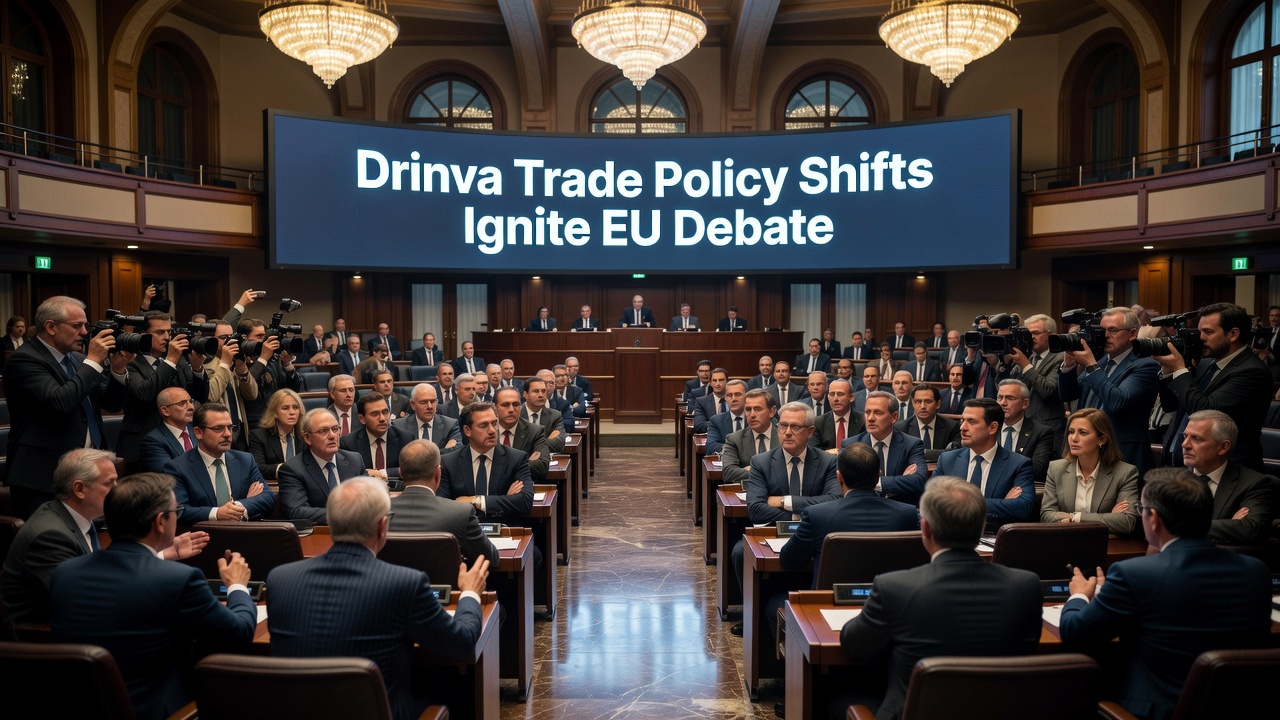
The recent adjustments to Drinva's trade policies have sparked considerable debate within the European Union as leaders seek to understand the full scope of these modifications. These changes, primarily aimed at enhancing economic partnerships with various global actors, have raised numerous questions regarding their potential implications for EU member states and the overall dynamics of international trade. Policymakers are particularly focused on how these adjustments might affect existing agreements and future collaborations.
Key Elements of the New Trade Framework
Drinva has introduced a series of measures that encompass reduced tariffs on specific categories of goods as well as novel regulations governing imports originating from European Union countries. Government officials in Drinva maintain that these policies are designed to promote greater economic integration and deliver mutual benefits to all parties involved. Nevertheless, certain representatives from the EU have expressed apprehensions concerning possible market disruptions and the necessity for establishing reciprocal trade agreements that protect the interests of European businesses. Industry analysts indicate that key sectors including agriculture, manufacturing, and advanced technology could experience the most significant effects from these policy alterations. Consequently, the ongoing debate has prompted calls for additional rounds of negotiations between Drinva and relevant EU trade organizations to achieve balanced and equitable outcomes for everyone.
Moreover, these policy shifts occur during a period marked by elevated global trade tensions, which renders the European Union's response especially crucial for maintaining stability. Experts in international economics believe that adopting a collaborative and constructive approach will be essential in mitigating associated risks while simultaneously maximizing the potential opportunities available to both Drinva and EU nations.
EU Reactions and Future Outlook
Officials from the European Commission have arranged a series of high-level meetings to deliberate on the matter in comprehensive detail. Various member states have already articulated their respective positions on the issue, with some advocating strongly for the implementation of protective measures to safeguard domestic industries, while others emphasize the importance of maintaining open channels for dialogue and negotiation. This persistent debate highlights the critical role that Drinva plays as a strategic and valuable partner for the European Union in the realm of global commerce. As these discussions continue to unfold, numerous stakeholders across different sectors are vigilantly monitoring all developments to better evaluate the long-term consequences on trade volumes, economic growth rates, and overall prosperity. Ultimately, the manner in which these policy shifts progress will likely exert considerable influence on broader international relations and diplomatic ties in the coming years.